 SPEAK TO US
 Hire Quote





 My Account




 Hire
Hire Depot
Depot My
My




If you’re planning a job that involves concrete, one of the first things worth thinking about is timing. It’s easy to focus on materials and equipment, but the conditions you pour in can have just as much impact on how well the concrete performs once it’s set.
Concrete doesn’t just dry out after it’s poured; it cures. That process depends on a chemical reaction between the cement and water, and that reaction is sensitive to what’s going on around it.
Temperature, moisture levels, and the surface you’re pouring onto all play a part in how concrete performs. Even in the right season, the conditions aren’t always perfect, which is where dependable concrete mixers and finishing tools make a difference, keeping the process steady from start to finish.
With that in mind, here’s everything you need to know about when it’s best to pour concrete, and how both conditions and equipment play a role in getting it right.
Best time of year to pour concrete
In most cases, spring and early autumn tend to be the safest bets. You’re usually dealing with milder temperatures, less extreme weather, and more consistent conditions overall, which makes it easier for the concrete to cure at a steady rate.
That steady curing is what you’re aiming for. If things move too quickly or too slowly, you can end up with weaker concrete or a finish that doesn’t hold up as well over time. Moderate weather conditions give you a bit more control over the process and reduce the chances of problems developing early on.
Why weather conditions matter
When it comes to pouring concrete, it’s usually the extremes that cause the biggest headaches. Very hot days, freezing conditions, or prolonged heavy rain can all throw things off and affect how your concrete sets and cures in ways that aren’t always obvious at first.
Most of the time, the work doesn’t have to stop entirely, but it does call for a bit more judgment on-site. You’ve got to weigh up the conditions, think about how they’ll affect the finish and long-term strength, and decide whether it’s worth pushing on or waiting it out. Getting that call right can save a lot of time, money, and frustration later on, rather than trying to fix issues after the concrete has already gone down.
Freezing weather conditions
Cold conditions slow everything down on-site and concrete is no exception. Once temperatures start getting close to freezing, the risk of things going wrong increases quite a bit. As a general rule, anything below 5°C isn’t ideal for pouring. If concrete freezes within the first 24 hours, it can lose a significant amount of its strength, and that damage can’t really be reversed.
The condition of the ground matters just as much. Frost, ice, or snow on the surface you want to pour on are clear signs that it’s better to wait. Pouring onto frozen ground can lead to movement and bonding issues later on.
Working in the colder months
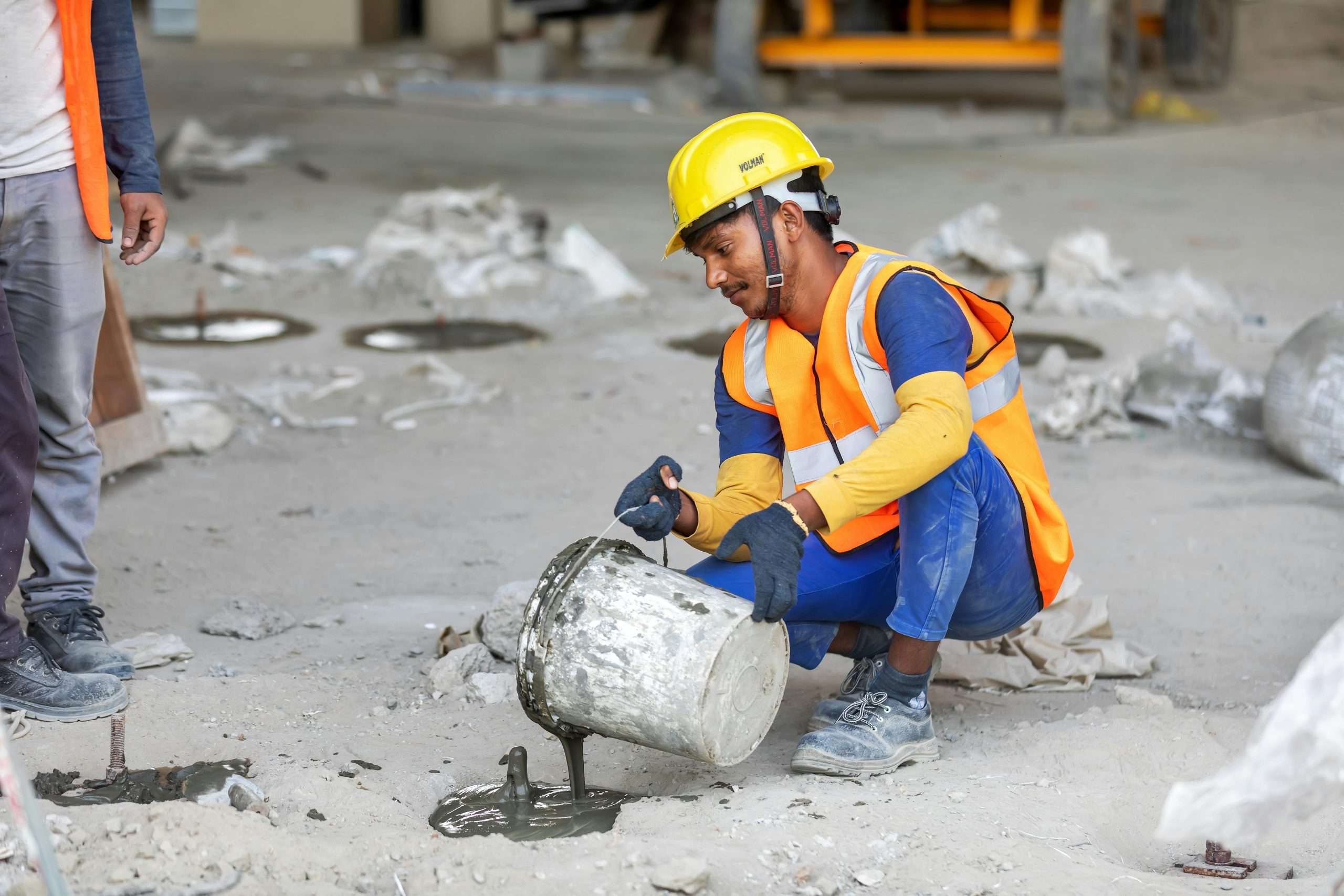
In situations where work still needs to go ahead, protecting the concrete becomes the number one priority. Keeping it warm from the moment it’s poured is essential, whether that’s through insulation, protective coverings, or the use of temporary heating.
It’s also important that the concrete is at the right temperature to begin with. Starting with a mix that’s already far too cold makes it much harder to control the curing process. The first 24 hours are especially critical, as that’s when the concrete is most vulnerable to temperature changes.
Pouring in wet weather
Rain brings a different set of challenges. It doesn’t always stop work completely, but it can affect the surface finish if it isn’t managed properly. Heavy rainfall can add excess water to the mix, weakening the concrete and leaving a poorer finish once it sets. Standing water is another issue to watch for. If the surface being poured onto is holding water, it can prevent a proper bond from forming, which again, can cause problems later on.
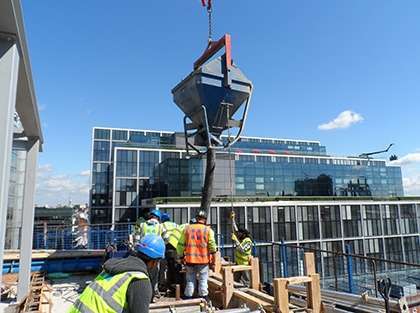
Work with lighter rain
Pouring in wet conditions can be done, but only when the rain is light enough to manage without affecting the mix or surface. However, once rainfall becomes steady or heavy, it starts to interfere with the finish.
Protective sheeting can help with light showers, but it won’t compensate for poor conditions, so if the rain is strong enough to disrupt the pour, it’s usually better not to start to begin with.
Pouring during a spell of hot weather
Hot weather, on the other hand, can push things along too quickly, especially when temperatures climb high enough to speed up evaporation. That can cause the concrete to dry out before it’s had time to cure properly, which is where problems like surface cracking and reduced strength start to appear.
In the UK, seriously hot conditions aren’t something that we deal with often, but they do happen every now and then. When they do, it’s enough to affect how concrete behaves on site, particularly on exposed areas or during longer pours where timing becomes more of a factor.
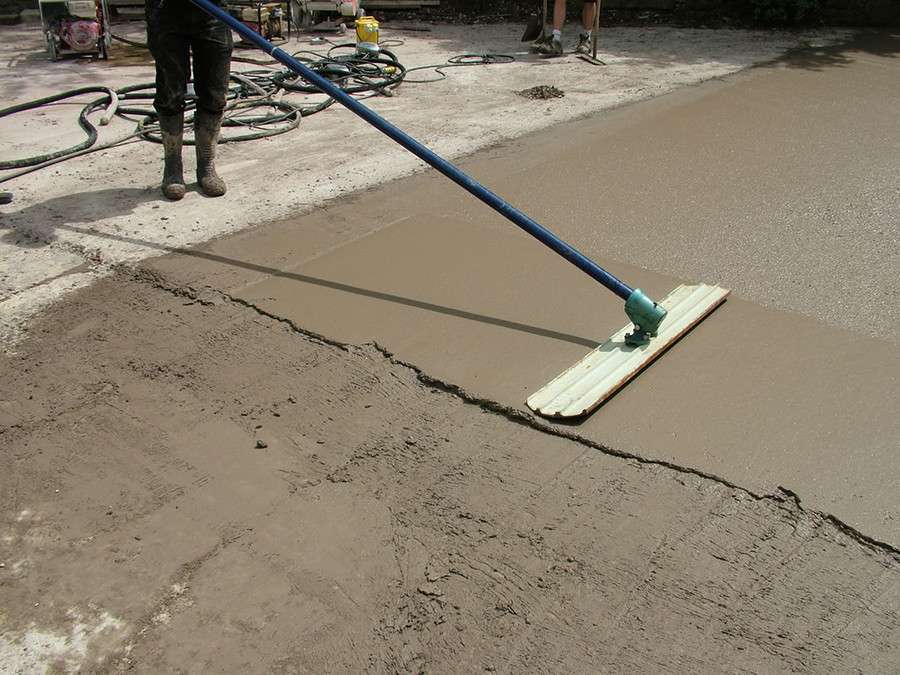
Working in higher temperatures
Pouring in warmer conditions can be done, but only if the rate of drying can be kept under control throughout the process. If the surface starts drying out too quickly or the mix begins to stiffen before it can be properly worked, it’s usually a sign that the conditions aren’t right to continue.
Adjusting the time you start pouring can help here, with earlier mornings or later afternoons generally being more manageable. Also, covering the concrete once it’s placed can help hold moisture in, but if the heat is too intense to manage properly, it’s best to hold off.
There’s no single perfect day to pour concrete, but some conditions make the job far more straightforward, and the end result more dependable. If you need any help with your concrete pouring, that’s where we can help at Smiths Hire!
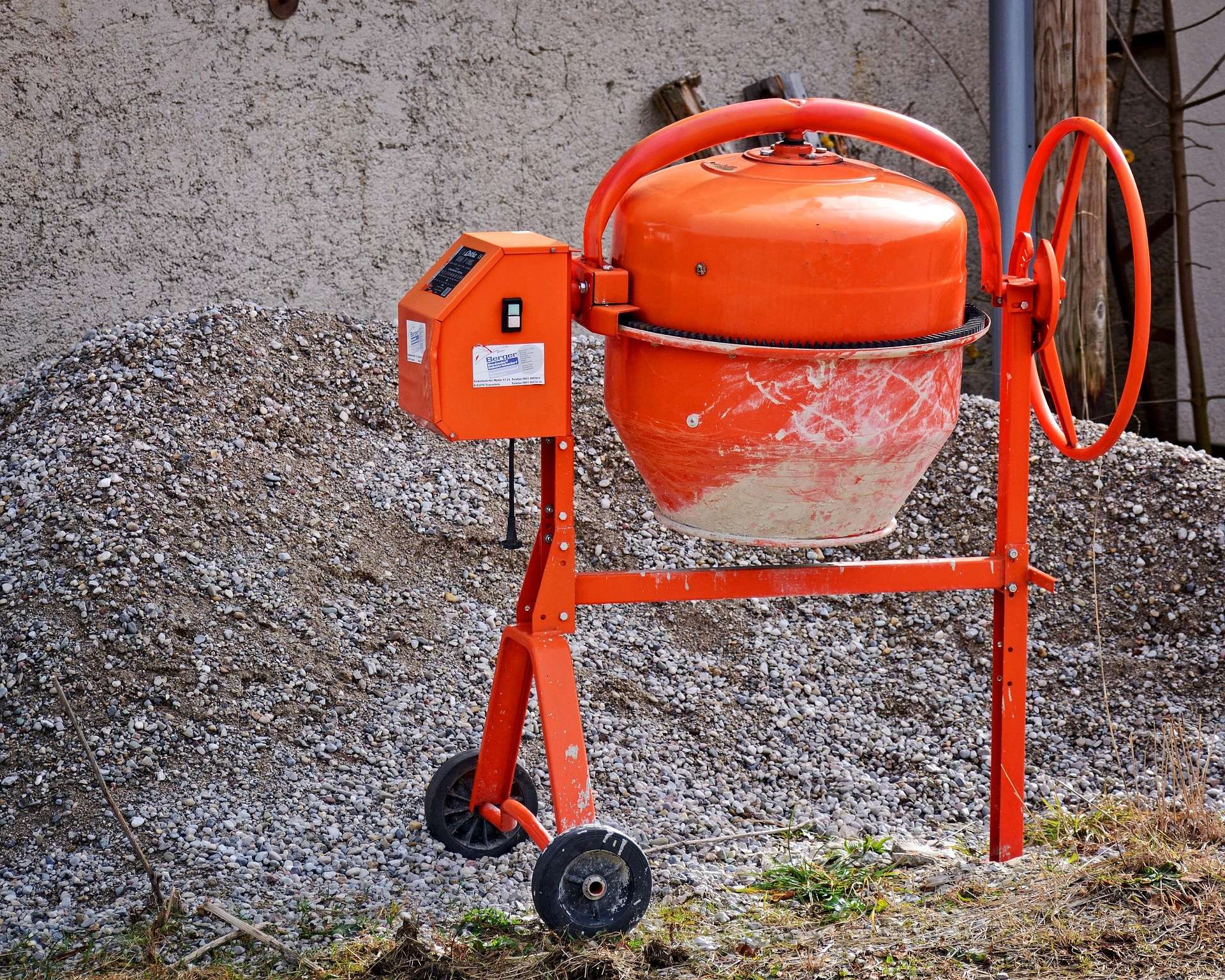
For over 50 years, we’ve been the go-to destination for quality equipment and tool hire services for both DIY enthusiasts and trade professionals. With 19 tool hire depots across the North West and Yorkshire, including prime locations in Manchester, Liverpool, and Leeds, we’re never too far away! If you’re unsure about anything you need for your concrete and finishing job, or you need to hire a concrete mixer, our team is just a phone call away on 0333 323 2100!