 SPEAK TO US
 Hire Quote





 My Account




 Hire
Hire Depot
Depot My
My




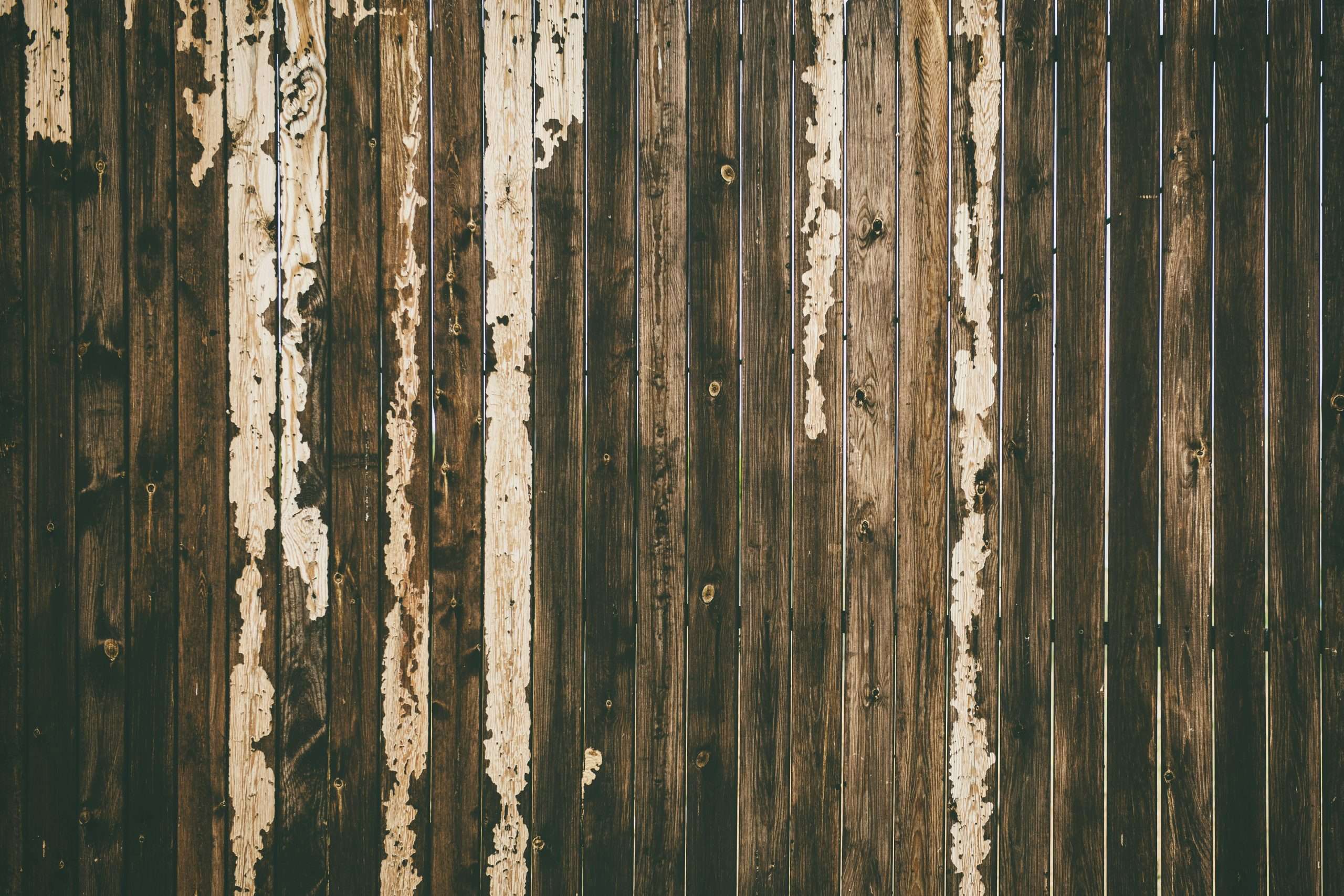
At that point, it’s easy to think a quick repair will do the job, and in some cases, it will. But if you’re finding yourself fixing the same panels every time the wind picks up or the weather turns, it’s worth stepping back and looking at the bigger picture.
The real question is whether it’s worth continuing to patch things up or if replacing sections of your fence would be the more reliable and cost-effective option in the long run. Spring gives you the chance to make that call properly, with better conditions, a clearer view of what you’re dealing with, and the time to get it sorted before the garden comes back into regular use. Here’s what to look out for.
Start by looking at the condition overall
Once you’ve spotted the issue, the next step is to take a proper look at the fence as a whole rather than just focusing on one panel. It’s easy to fix what’s right in front of you, but a quick check across the full run will give you a better idea of whether it’s a one-off problem or something more widespread.
If you’re dealing with things like loose boards, panels that have shifted slightly, or fixings that have come away, these are usually straightforward to sort. Re-securing panels, replacing individual boards, or tightening things up can often bring everything back into shape without too much effort, especially if the rest of the fence is still solid. In these cases, a repair absolutely makes sense.
When you start working across more than just one panel, having something like a cordless impact driver makes the job far easier to get through. It helps you properly fix panels back onto posts, add new brackets where things need a bit more support, and get everything tightened up so it actually feels solid again. It’s quicker, less effort, and a lot more reliable than trying to do it all by hand, especially if you’ve got a few sections to sort.
When repairs start to add up
When the problems aren’t limited to one or two areas, that’s where things start to change. If you’re noticing multiple panels starting to lean, sections that have warped, signs of rot setting in, or fixings that keep working themselves loose, it usually points to a fence that’s taken more of a hit over time rather than just one-off damage.
 At that stage, it becomes less about fixing a problem and more about keeping on top of something that’s gradually wearing out. You might repair one section, only to notice another starting to go not long after, and before you know it, you’re back out there tightening something, replacing a board, or dealing with another panel that’s shifted after the next spell of bad weather.
If that kind of wear has started to spread across multiple panels or into the posts, it becomes much harder to deal with properly and is often a sign the fence is already starting to give way. Over time, it also becomes harder to get everything to feel consistent. Some sections will feel solid, others not quite as secure, and even after putting in the effort, the whole fence can still feel uneven.
That’s usually the point where replacing sections, or even the full run, starts to make more sense. It gives you something that’s properly secure and consistent, rather than something you have to keep going back to every time the weather turns.
While repairing might seem like the more cost-effective option at first, repeatedly fixing the same issues can quickly add up in both time and money, often costing more in the long run. It also leaves you with a much cleaner, more uniform finish, rather than a mix of older panels and newer repairs that can start to look a bit patchy over time.
Don’t forget about the posts
It’s easy to focus on the panels themselves, but the posts are what hold everything together. If those are starting to move, crack, or lean, it can affect the whole structure, even if the panels don’t look too bad at first glance. A fence with solid panels but weak posts is always going to feel unstable, and repairs to the panels alone won’t really solve the issue.
If posts do need replacing, that’s where the job can quickly become a larger project. Unlike panels, which can usually be swapped out fairly easily, posts are set into the ground, often with concrete around them, so getting them out and replacing them properly takes a bit more effort.
Trying to dig them out by hand can turn into a much bigger job than expected. You’re dealing with compacted soil, old concrete, and posts that don’t want to budge, which can take time, effort, and a fair bit of trial and error. Using a fence post puller takes a lot of that hassle away, as it’s designed to grip and lift the post cleanly out of the ground, saving you from having to dig around it or break it out bit by bit. It’s a much quicker, more controlled way of getting the job done, especially if you’ve got more than one post to deal with.
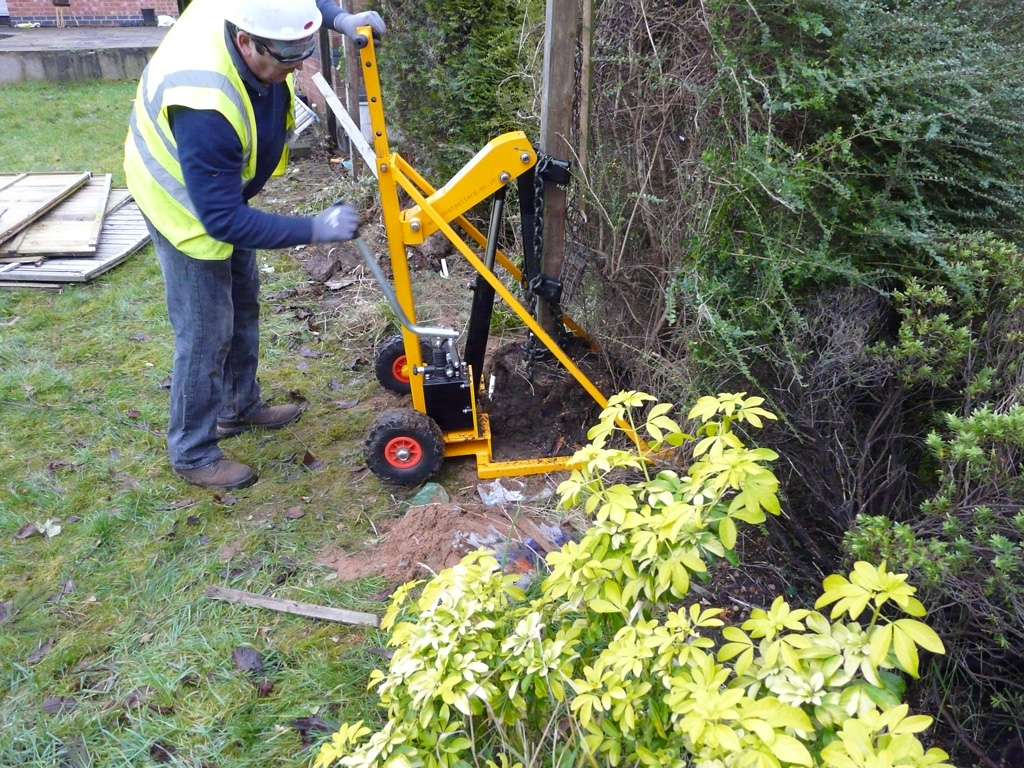
Once the old posts are out, getting the new ones in properly is just as important. A manual post driver makes that part far more straightforward, helping you drive posts straight down into position with consistent force. Instead of trying to line everything up and force it into place by hand, which can leave posts uneven or slightly off, it allows you to get them set firmly and evenly from the start, so everything sits how it should and stays that way.
Getting it sorted this spring
Spring is a great time to get your fencing sorted. The weather’s finally turning, the conditions are far easier to work in, and you’ve got a much clearer view of what actually needs doing, so you can just get on with it without second-guessing anything. Whether you’re fixing what’s there or putting in something new, getting it done now means you can head into the rest of the season knowing it’s all sorted and ready for whatever the summer brings.
Whether you’re fixing sections or replacing parts of the fence, having the right tools available makes the whole job much easier to take on. At Smiths Hire, our tool hire service gives you access to everything you need to get it done properly, without having to buy equipment you might only use once or find somewhere to store it afterwards.
Once it’s sorted, it’s sorted. No going back over the same panels every time the weather turns, just a fence that’s doing what it should and a space that’s ready to use!
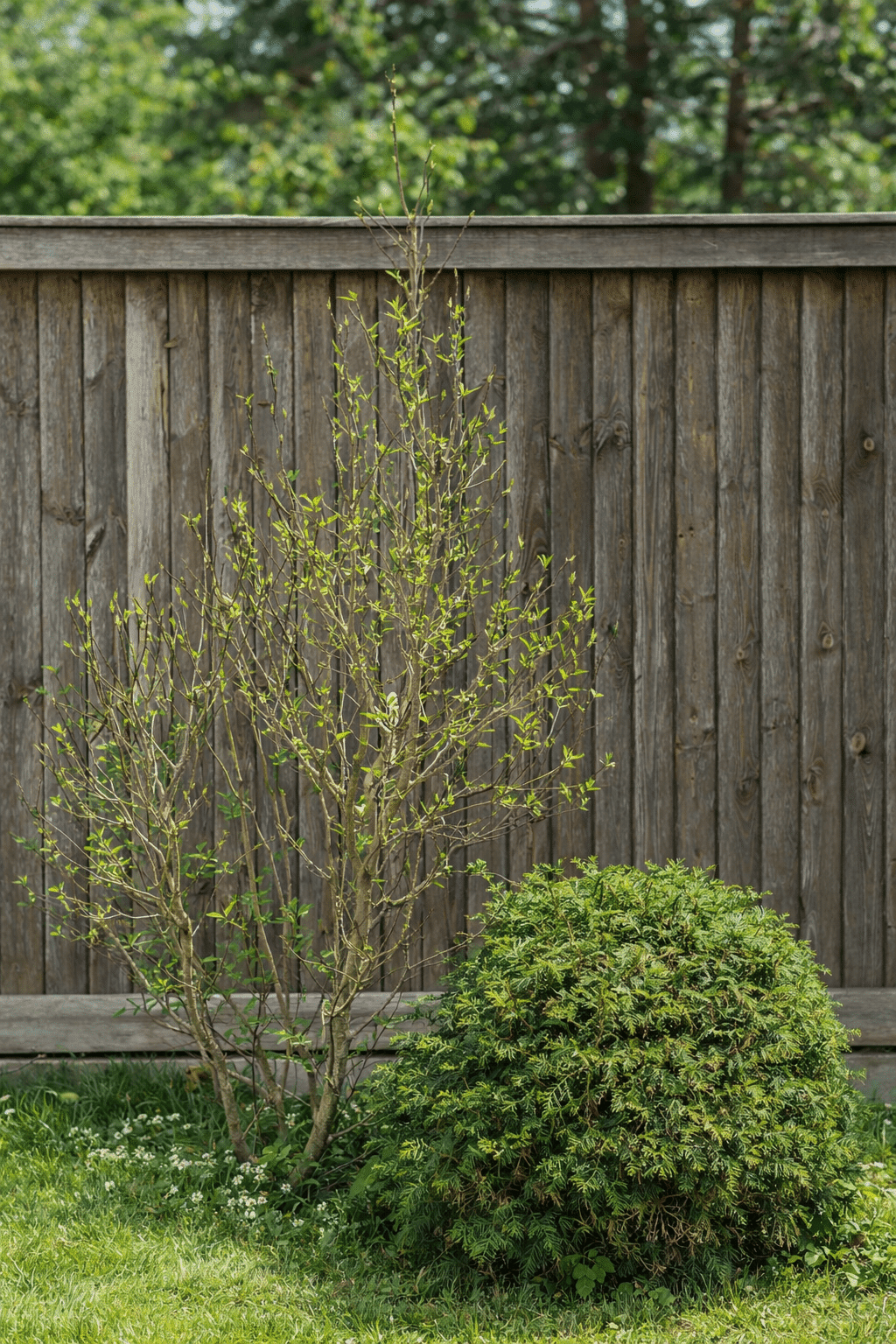
Getting your fence sorted doesn’t need to turn into a drawn-out job. With a bit of planning and the right tools to hand, it’s something you can get on top of over a weekend and move on from.
If you’re missing a few bits or don’t want to buy tools you’ll only use once or twice, that’s where we can help. At Smiths Hire, we’ve been supporting projects like this for over 50 years, with a wide range of equipment available through our tool hire service to help you get the job done properly.
You can order online and have what you need delivered straight to your door, or drop into one of our 19 tool hire depots across the North and pick it up in person. And if you’re not quite sure what you need, or just want a bit of guidance before getting started, give us a call on 0333 323 2100, and we’ll point you in the right direction!