 SPEAK TO US
 Hire Quote





 My Account




 Hire
Hire Depot
Depot My
My




If you work in construction, refurbishment, or finishing trades, chances are you’ve had at least one job slowed down by damp conditions. And if you’re based in the UK (especially up North), you’ll know that wet weather isn’t exactly a rare occurrence. From winter rain, storms and cold snaps to high humidity inside enclosed spaces, excess moisture can quickly become a problem on-site.
That’s where dehumidifier hire comes in. Reliable, hard-working, and built for tough environments, they’re one of the most effective ways to control moisture, protect materials, and keep projects running to schedule, even when the weather isn’t as mild as you’d prefer.
At Smiths Hire, we’ve spent over 50 years helping tradespeople and homeowners deal with exactly these kinds of challenges. This guide breaks down what dehumidifiers do, how they work, and when they’re an essential bit of kit on site.
What is a dehumidifier?
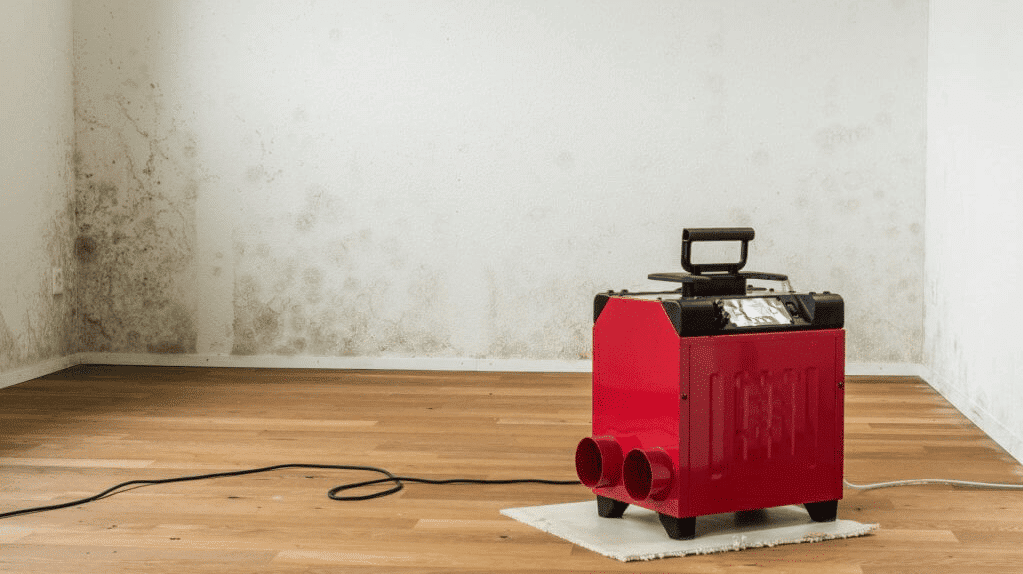
A dehumidifier is a piece of equipment designed to remove excess moisture from the air. On-site, that moisture might come from wet weather, recent plastering, leaks, flood damage, or simply the natural humidity that builds up in enclosed spaces during colder months.
Too much moisture in the air can slow drying times, damage materials, and create poor working conditions. Industrial dehumidifier hire helps bring humidity levels back under control, allowing work to continue without unnecessary delays.
They’re commonly used on construction sites, renovation projects, and in finishing trades, but they’re just as useful in domestic settings when dealing with damp or water ingress.
How dehumidifiers actually help on site (beyond the basics)
Everyone knows the basics: a dehumidifier removes moisture from the air. That part isn’t new. What often gets overlooked is how much that one action affects everything else happening on site.
Dry air doesn’t just feel better to work in; it changes how materials behave, how long tasks take, and how reliable your end result is.
Why humidity slows jobs down more than you think
When the air inside a space is saturated, wet materials struggle to dry. Plaster, screed, paint, adhesives, and timber all release moisture as they cure, but if the surrounding air is already full of it, that process slows right down. A dehumidifier creates the conditions those materials actually need to dry properly by keeping humidity low and consistent.
Another thing people don’t always factor in is that moisture doesn’t disappear on its own; it migrates. Left unchecked, it moves into walls, floors, ceilings, and insulation. That’s when you start seeing delayed issues like blown finishes, curling flooring, or damp patches appearing weeks later. A dehumidifier helps stop moisture from travelling deeper into the building fabric in the first place.
Why heating alone doesn’t solve the problem
There’s also the temperature side of things. In winter, heating alone often isn’t enough. Warm air can still hold a lot of moisture, which is why spaces can feel damp even when the heating’s on. Dehumidifiers work alongside heaters by reducing humidity, making the heat more effective and helping spaces reach workable conditions faster.
On busy sites or during refurbishment work, ventilation is often limited for security or safety reasons. Opening windows isn’t always practical or helpful, especially when it’s raining or freezing outside. A dehumidifier allows you to control moisture internally without relying on outside weather conditions.
And then there’s time. Faster, more controlled drying keeps jobs moving, prevents rework, and reduces the risk of trades having to return to fix moisture-related problems. It’s not about rushing the process; it’s about making sure drying happens properly and predictably.
That’s why dehumidifiers are such a valuable bit of kit on UK sites, particularly through autumn, winter and early spring.
Dehumidifiers and winter working
Working through winter brings a specific set of challenges that most people on-site are all too familiar with. Lower temperatures, regular rainfall, high background humidity, and shorter daylight hours all combine to make natural drying painfully slow.
On many sites (up North in particular), you’re dealing with cold, damp air outside and limited ventilation inside. Windows and doors often need to stay shut for security, safety, or simply to keep the heat in. As a result, moisture builds up quickly and has nowhere to go. Even when heating is in place, drying can stall because the air is already saturated.
Winter weather doesn’t mean lighter workloads or longer programmes. Jobs still run to tight schedules, but cold, wet conditions can stretch drying times and create delays that aren’t down to workmanship. Dehumidifiers actively work against those conditions, helping keep trades moving and preventing moisture from becoming the reason a job falls behind.
They’re also particularly useful in older buildings and refurbishments. These structures often hold moisture for longer, and without proper drying, that moisture can resurface later as damp patches or failed finishes. Using a dehumidifier helps manage that risk early, before it turns into a bigger problem.
Choosing the right dehumidifier for the job
Not all dehumidifiers are the same, and on-site, the wrong choice can cost time rather than save it. The size of the space, the amount of moisture present, and how quickly you need to move on to the next stage all play a part, which is why it’s important to match the dehumidifier to the job rather than assuming one unit will suit every situation.
Small dehumidifier – 110V
Our small dehumidifier is a solid all-rounder for single rooms, extensions, and finishing work. Compact and easy to manoeuvre, it’s widely used by plasterers, decorators, and trades working in tighter spaces.

Despite its size, it’s capable of handling demanding tasks such as drying after leaks or burst pipes and carpet cleaning. Its hot gas defrost feature also makes it well-suited to colder conditions, which is a big plus during winter jobs. It’s a reliable option when you need targeted moisture control without taking up too much space on site.
Large dehumidifier – 110V
For larger projects or environments with high moisture levels, a larger dehumidifier is the better choice. Designed for heavy-duty use, these units remove moisture quickly and efficiently across much larger areas.

They’re commonly used on new-build sites, major refurbishments, and flood recovery projects where drying times matter, and delays are costly. Built to be robust and energy-efficient, they’re designed to run consistently in tough site conditions. If you’re dealing with persistent damp or need to dry out a large volume of space, this is the kind of kit that keeps things on track.
At Smiths Hire, our dehumidifier hire service is suited to everything from small finishing jobs to large-scale construction and flood recovery. Whether you’re looking for compact drying support or reliable industrial dehumidifier hire for tougher site conditions, our experienced team is always on hand to offer practical advice based on real working environments. If you’re unsure which option is right for your project, our experienced team is always on hand to offer practical advice based on real site conditions.
If you have any questions or need help choosing the right dehumidifier for your job, give us a call on 0333 323 2100. You can also take a look at our dehumidifier hire options on our website or visit one of our 19 depots across the North West & Yorkshire, conveniently located in or near major cities such as Manchester, Liverpool, and Leeds. Whatever the weather’s doing, we’re here to help you keep the job moving.