 SPEAK TO US
 Hire Quote





 My Account




 Hire
Hire Depot
Depot My
My




From our many years of experience supporting trades across the UK with premium plant and access hire solutions, we’ve seen how much of a difference a well-organised start makes. Getting a site moving quickly isn’t just about turning up with construction site equipment and cracking on – in fact, the way you set up from day one makes a big difference. Let’s explore 6 practical ways to get started without losing time once work begins.
1. Get your layout sorted before anything arrives
A rushed start on-site usually causes problems further down the line. Before any construction site equipment arrives, it’s worth properly planning the layout (for example, where materials will be dropped, where vehicles will park, and how people will move safely around the job). It sounds straightforward, but if this isn’t thought through, materials often end up being dropped in the wrong place and then shifted again later to where the work is actually happening. That extra movement eats into time and slows progress more than most people expect. Getting the layout right from day one helps to avoid that. It keeps materials where they’re needed, reduces unnecessary moving around the site, and stops different teams getting in each other’s way once work is in full swing.
2. Make sure construction site access is ready for traffic
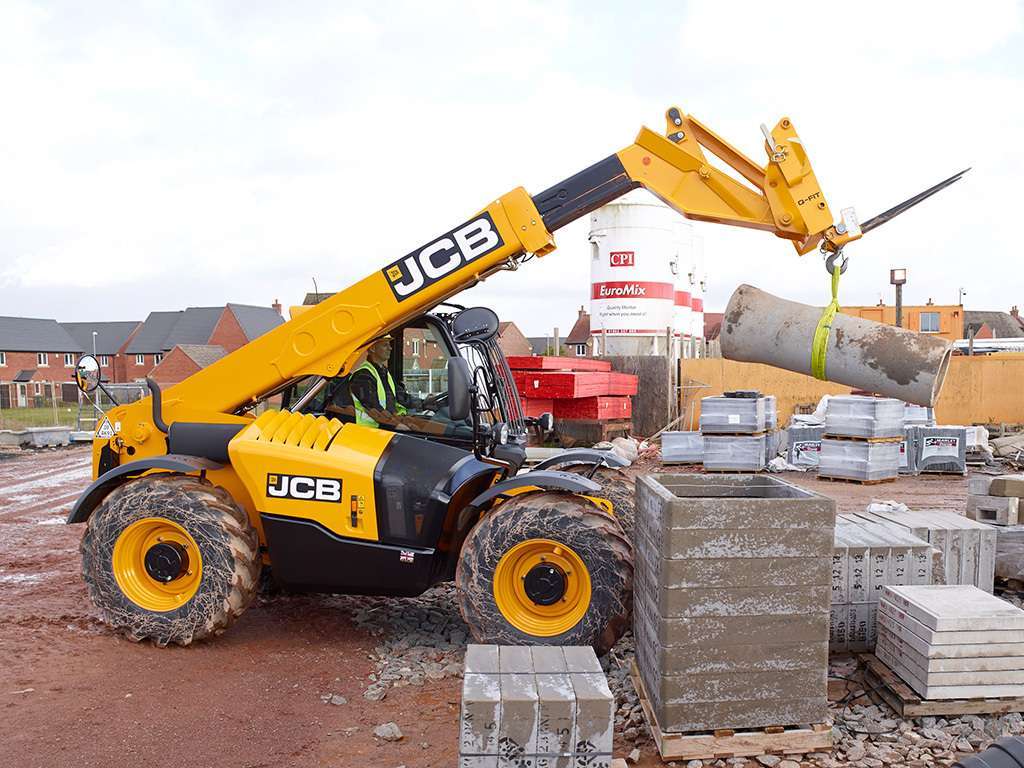
One of the most common causes of early delays is access that isn’t properly prepared. If vehicles can’t get in or deliveries have to wait, everything else falls behind. Even small issues like narrow entrances or soft ground can cause knock-on delays when heavy loads start arriving, so it pays to get it right up front. We always recommend taking the time to check ground conditions, turning space, and entry points long before the first delivery arrives, ensuring materials and machinery can be brought in without last-minute changes or disruption.
3. Use the right machines for the job from day one
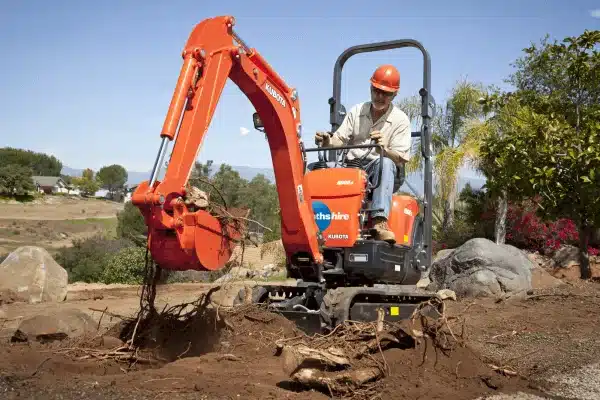
Next, it’s important to choose the right kit early on, as this makes a big difference to how smoothly your site runs. The wrong machine often means slower work, more movement around the site, and unnecessary downtime, which is why it’s crucial to match equipment properly to the site layout and working space. For example, if you’re excavating in a tight or restricted area, planning ahead and choosing a compact digger can help to keep work moving safely without congesting the site.
4. Keep materials moving instead of building bottlenecks
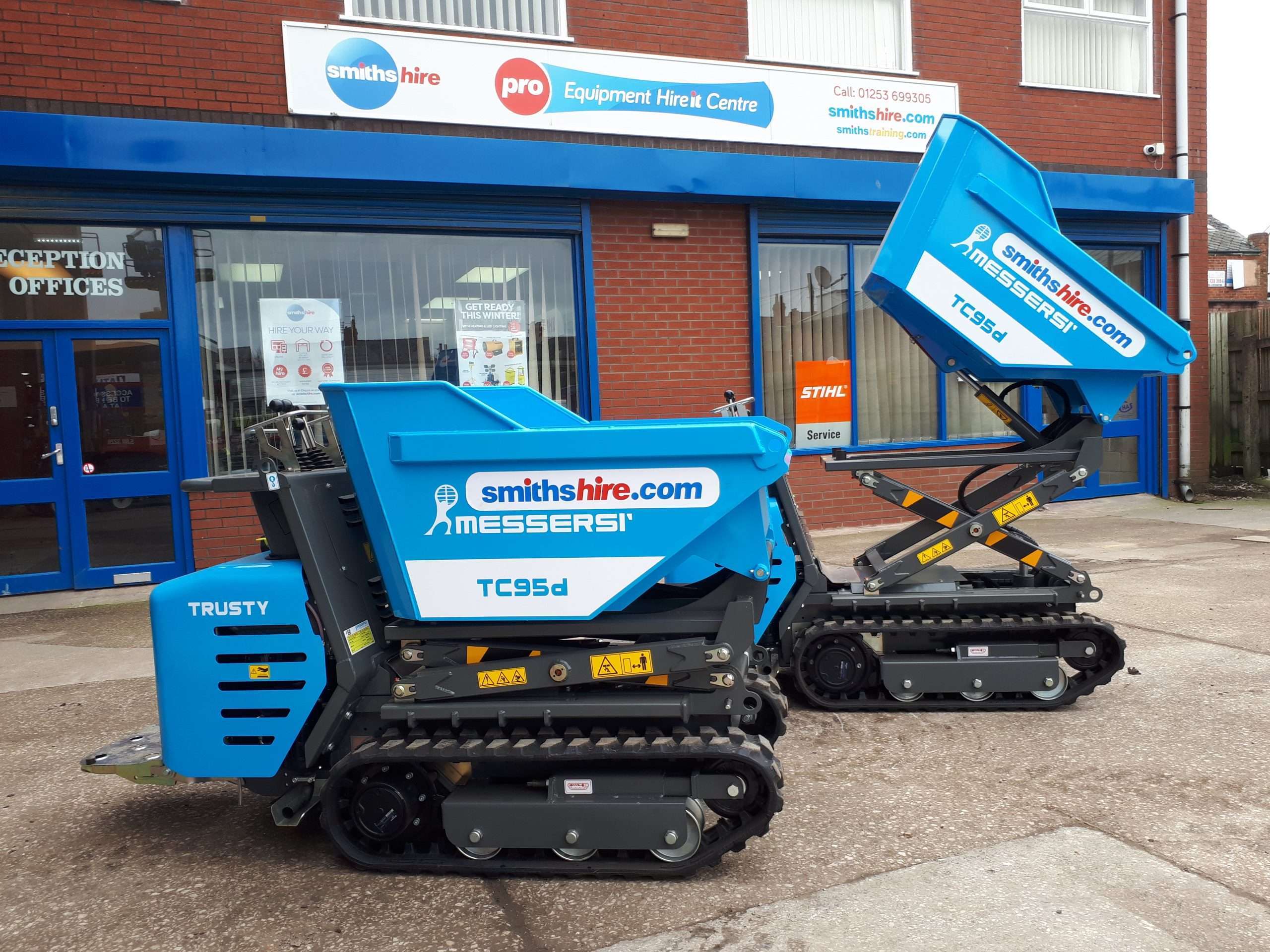
Once work starts, materials become one of the biggest factors in site efficiency, and if they’re not where they need to be, when they need to be there, everything stalls. That’s where proper transport on site really matters. Using a dumper truck for moving bulk materials across uneven or busy ground can save a lot of time compared to manual handling or makeshift movement methods. This means trades can keep working without stopping and starting throughout the day, helping to streamline workflow across the site and keep progress consistent from one task to the next.
5. Carefully manage timings
As you’ll know all too well, efficient delivery and rotation of tools and machinery can make or break a site setup. When equipment arrives out of sequence or isn’t ready to go straight into use, deadlines will start to slip and momentum on site can be lost while teams wait for what they need.
With that in mind, it’s important to ensure you have the right construction site equipment on hand at the right stage of the job, helping to reduce downtime and keep each phase moving as planned. Coordinating deliveries around the different stages of work also helps to keep the site clearer, with less clutter building up in active areas and affecting access.
6. Make sure communication is practical and consistent
Finally, and perhaps most importantly, is communication, which plays a key role in keeping any site running smoothly. If people aren’t clear on what’s happening next, delays can start to build without anyone noticing straight away. Because of this, simple, consistent coordination between supervisors, operators, and trades helps to keep everything aligned and ensures issues are picked up early before they turn into bigger slowdowns. For example, during the early setup stage, a short daily briefing can confirm when machinery is arriving on site and which areas are being handed over first, ensuring all crews are on the same page and ready to go.
As long-standing experts in the industry, we’re often asked how to deal with construction site delays, particularly when the programme is already under pressure. In most cases, it comes down to planning ahead and dealing with potential hold-ups before they start impacting the job – and we can help!
At Smiths Hire, we’re proud to help professionals across the UK set up their sites efficiently, supplying reliable plant and access hire solutions backed by decades of experience. Whether you’re tackling a short-term job or a longer project, our first-class range of products includes leading brands at great prices, with guaranteed next-day delivery for powered access and plant machinery. If you’re ready to get started, don’t hesitate to give us a call on 0333 323 2100 or visit us in person at your nearest Hire It Centre today.