 SPEAK TO US
 Hire Quote




 My Account




 Hire
Hire Depot
Depot My
My



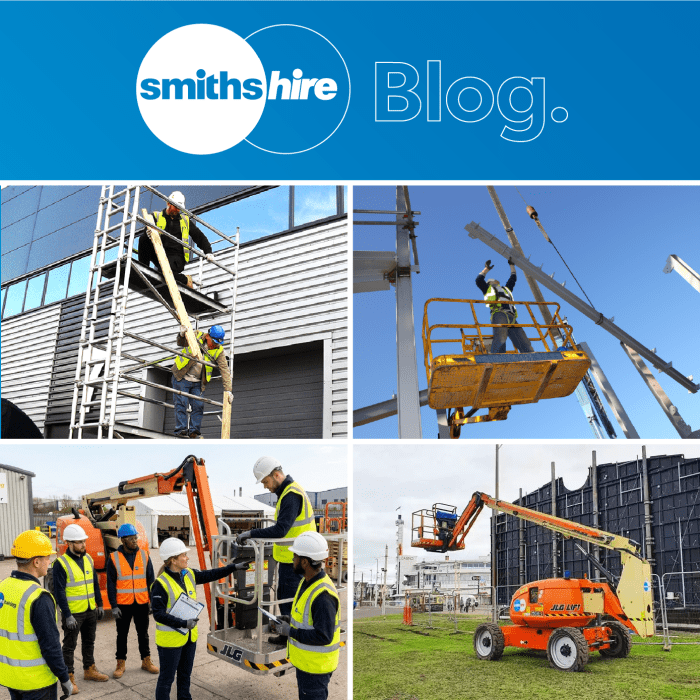
Not all work at height looks the same. One day, the job might be a quick task from a step ladder. The next could involve a scaffold tower or powered access hire equipment, such as mast lifts, telescopic booms and cherry pickers in a far more demanding environment. The equipment, surroundings, and the task itself can all change, but the expectation to work safely on site never does.
In most cases, issues don’t happen due to a lack of knowledge. People on site usually know the rules, understand the risks, and follow the appropriate safety measures. The bigger challenge tends to come from the pace of everyday work. Tight deadlines, familiar tasks, and jobs that appear straightforward can all make it easier to rush in and treat the work as routine. That’s often when small shortcuts start to slip in.
With World Day for Safety and Health at Work just around the corner on 28th April, now is a good time to pause and take another look at everyday habits. With that in mind, here are some of the most common mistakes seen on site, along with practical ways to avoid them so your team can stay safe and productive on the job.
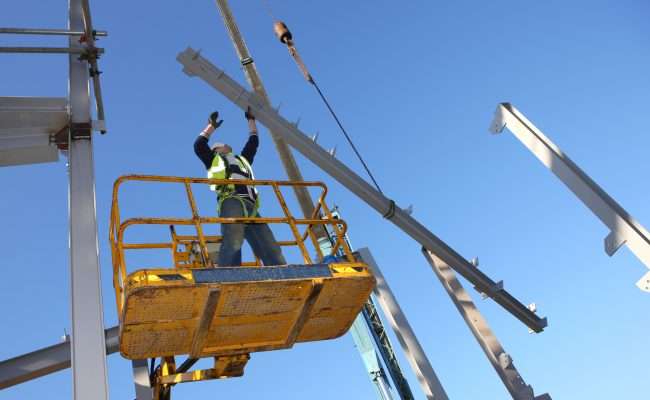
What is classed as working at height?
In practical terms, ‘work at height’ means working in any place where, without the right precautions in place, someone could fall a distance that’s likely to cause an injury. That includes working above ground or floor level with a ladder, a scaffold tower, or a powered access platform, but it also covers situations where there’s a risk of falling from an edge, through an opening, or onto or through a fragile surface. It also applies to cases where someone could fall from ground level into an opening in a floor or even a hole in the ground, which is something that’s easy to overlook on busy sites.
What it doesn’t cover are everyday slips or trips on the same level, or moving up and down a permanent staircase in a building. The main difference is that working at height always involves the potential to fall from one level to a lower level, which is what brings it under the scope of these regulations.
The reason that definition matters is that it underpins the wider working at height legislation. It’s not about the equipment itself but more so the level of risk involved in the task. You could be working at a relatively low level, but if there’s potential for a fall, the same expectations apply.
Using the wrong equipment for the task
This is where many jobs quietly become more difficult than they need to be. Not through poor decision-making, but through familiarity. Ladders are often the first choice, and for short-duration, low-risk work, they’re still a perfectly valid option. The issue tends to be when they’re used for tasks that involve longer working periods, awkward positioning, or handling tools and materials at height.
In those situations, the limitations start to show quite quickly. You’ve got less stability, less room to adjust your position, and you can’t always safely manage tasks with both hands fully free. Over time, that can lead to fatigue, less controlled movements, and a smaller margin for error, especially if the job involves repetition or working across a wider area.
That’s where other equipment naturally fits in much better. Scaffold towers provide a more stable working platform and better control at lower levels, while powered access equipment like scissor lifts or cherry pickers provides proper working space and reach. It’s not about using a bigger kit or even hiring more equipment for the sake of it; it’s about giving yourself and your team a safer, more stable position to work from, which makes everything else that bit more manageable.
Treating setup as a formality
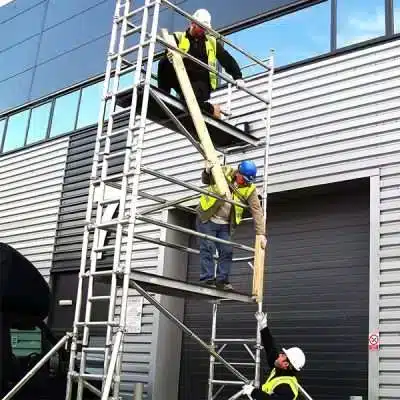
Setup is one of those stages that can feel like a quick step before the “real work” starts, especially on the jobs you’re doing day in and day out. In practice, it has a much bigger impact than that. If something isn’t quite right at this stage, it usually shows up once you’re already at height, when it’s harder to correct and more dangerous.
With ladders, even small issues like uneven ground or incorrect positioning can affect how stable they feel under load. With towers, it’s about making sure everything is assembled correctly and levelled properly so the platform remains steady throughout the job.
Powered access equipment again brings additional considerations. Ground conditions, slopes, surrounding space, and overhead obstructions all play a part in how the equipment performs. If those aren’t accounted for early on, it can affect both stability and how easily the job can be carried out.
Taking the time to conduct a working-at-height risk assessment before you start the work means fewer adjustments later and a much more controlled working environment once you’re up there, which is paramount to keeping people safe and completing the work as efficiently as possible.
Working at height risk assessment: why it matters on every job
On the topic of risk assessments, they don’t need to be overcomplicated, but they do play an important role in how the job is approached. It’s what connects the task, the equipment, and the environment before anything actually begins.
In practical terms, it’s about taking a step back and asking a few straightforward questions. Is this the right piece of equipment for what needs to be done? Are the ground conditions suitable? Is there anything overhead or nearby that could interfere with the work? Is there a safer or more stable way to carry out the task?
Without that step, decisions tend to be made in the moment, and that’s when things can start to drift from a standard job into a dangerous situation quite quickly. A bit of foreplanning also usually leads to better equipment choices, smoother setup, and fewer interruptions once the job is underway.
Skipping checks and relying on familiarity
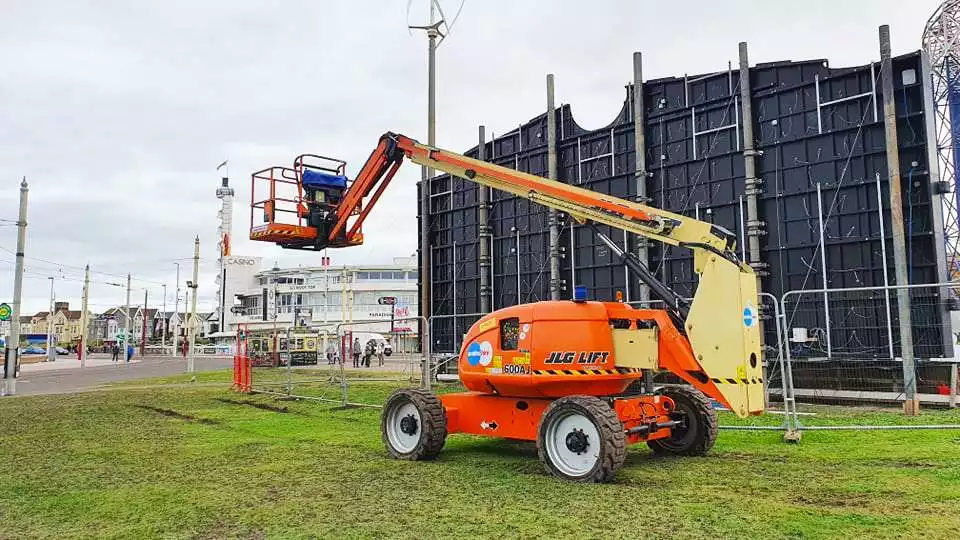
When equipment is used regularly, it’s easy to trust it without giving it much thought, especially if you’re busy. More often than not, this is how smaller issues go unnoticed. Most equipment faults don’t appear suddenly; they develop over time through use, transport, and general wear and tear.
That’s one of the reasons our tool hire services are so popular amongst our trade customers. At Smiths Hire, all of our equipment, whether that’s powered access, plant, or general tools, is regularly serviced and maintained, so it’s ready to go when it arrives. We only work with trusted brands like JCB and JLG, and everything is checked before it leaves us, which takes one more thing off your list when you’re planning a job.
It also gives you greater on-site flexibility. You can get exactly what you need, when you need it, without committing to buying equipment that might only be used occasionally. With quick delivery, competitive pricing through our price match challenge, trade discount and the added benefit of in-person customer support from 19 depots across the North, it’s set up to keep things moving without adding extra tasks to your to-do list.
Keeping standards consistent on site with support from Smiths Training
If you’re an employer or site manager, none of this will feel unfamiliar. The real challenge isn’t understanding safety; it’s maintaining that same standard across different teams, sites, and working conditions. When workloads increase or tasks become routine, it’s easy for consistency to slip.
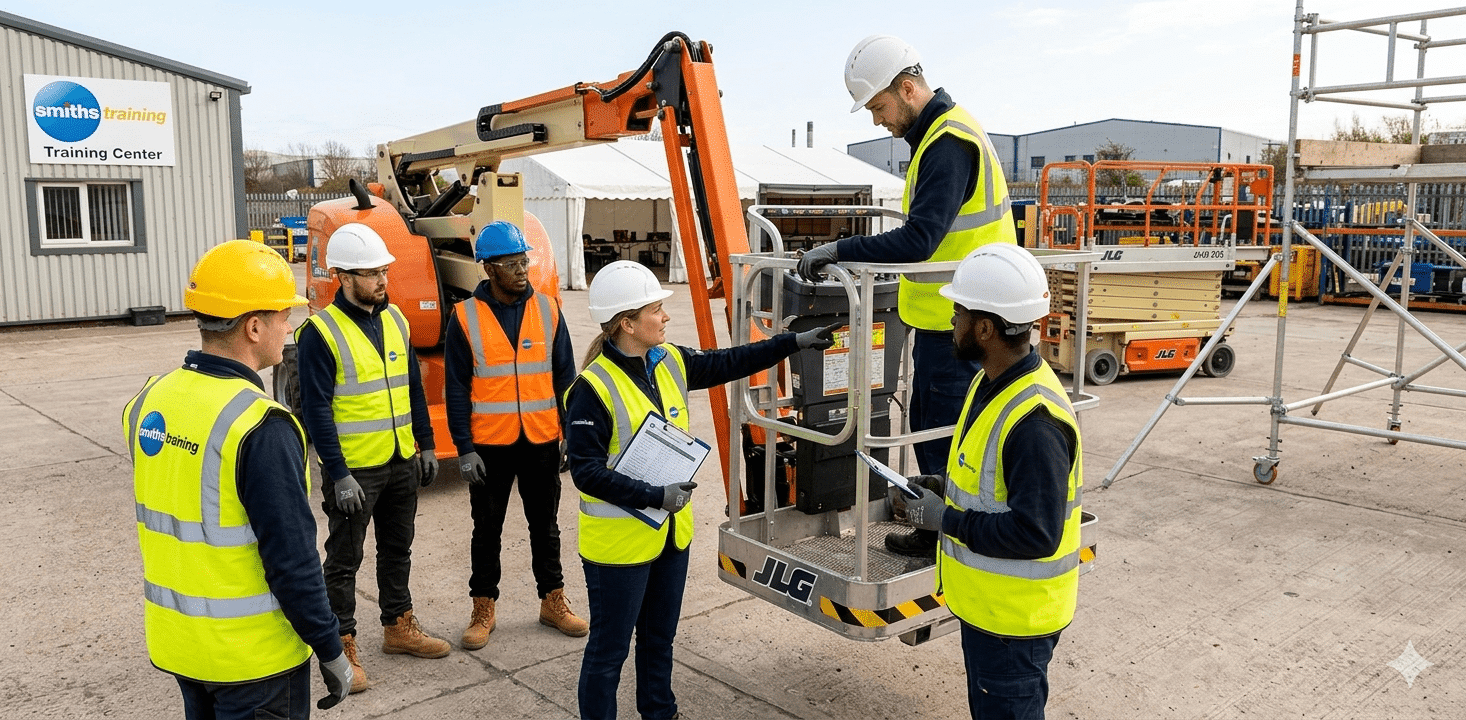
That’s where structured, practical training makes a real difference. It keeps everyone aligned, reinforces the right habits, and gives your team the confidence to make the right decisions when situations aren’t straightforward. It also helps create a more consistent approach to safety across every job, not just when things are closely monitored.
At Smiths Training, we deliver courses designed around real site conditions. With over 50 years of experience supplying equipment and tool hire to the industry, we understand the environments your teams are working in and the challenges they face day to day.
Our Emergency First Aid at Work course focuses on preparing people to respond quickly and effectively if something does go wrong. Even with the right controls in place, working at height carries risk. Having someone on site who knows exactly what to do in those first few minutes can make a critical difference.
Alongside this, our Workplace Health and Safety training supports day-to-day site safety. It covers everything from identifying risks and understanding responsibilities to applying safe working practices across a range of environments. For teams working at height, that translates into better awareness, more consistent decision-making, and a stronger approach to safety from the start of every task.
Both courses are built to reflect real working environments, whether that’s construction, facilities management, or general trade settings. They’re ideal for building confidence, as well as for keeping teams aligned and working to a consistent standard across every site.
If you’re planning any upcoming work at height and want to make sure you’ve got the right access equipment for the job, or you’d like a bit more information on our training courses, our team is always on hand to help. Whether it’s choosing between access options, getting set up with the right kit, or getting new members of your team trained up, we’re happy to talk things through. Just get in touch with your nearest depot or give us a call on 0333 323 2100, and we’ll point you in the right direction!